You Can Now Own the Magazine Where One Piece Began — via a Solana Token
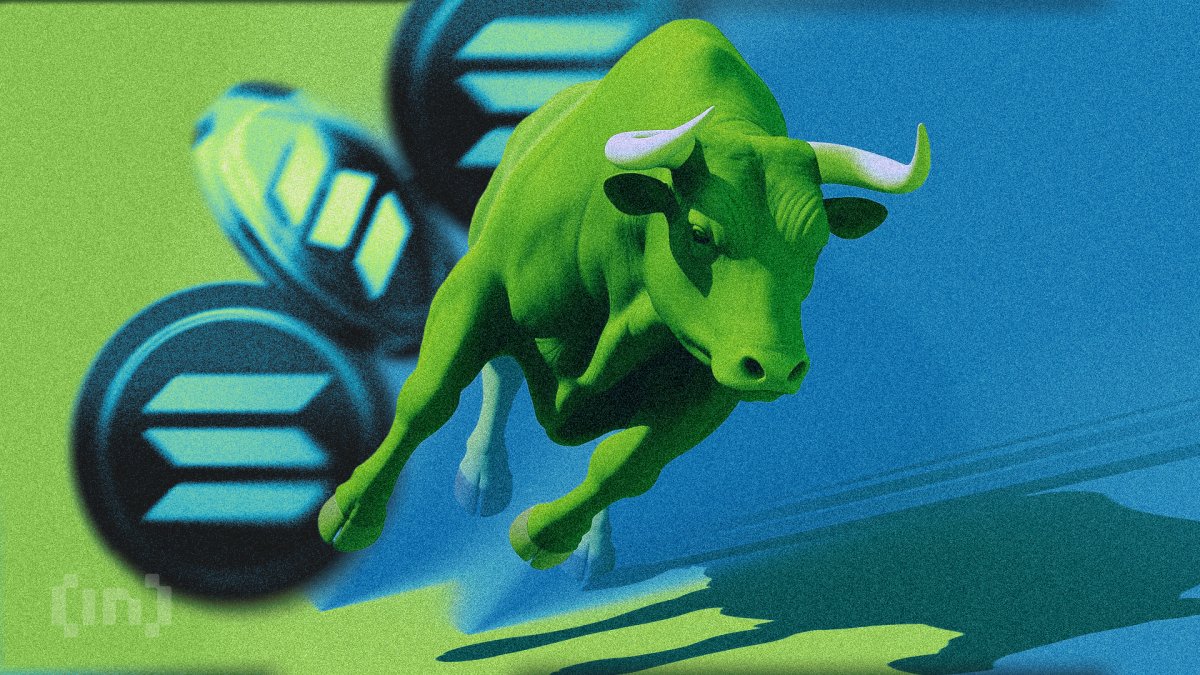
Phygitals sealed and tokenized the 1997 magazine where One Piece began. Solana promoted the launch on Friday, and the first tokenized One Piece manga now trades onchain.
The issue carries the main characters’ debut appearance, which arrived before the first collected volume reached shops. Grading firms count only 118 copies worldwide.
Why the Tokenized One Piece Manga Is So Scarce
The manga One Piece, written by Eiichiro Oda, was initially published in the Shonen Jump magazine No. 34 of 1997. Readers treated the magazine as cheap, throwaway newsprint. Most copies, therefore, went straight to the bin.
Almost nobody expected a record. One Piece passed 600 million published copies worldwide in March. The publisher Shueisha announced the milestone on the jacket band of volume 114.
Scarcity then attracted forgers. Reprints and outright fakes of the issue flood resale sites, and an official 2017 reprint edition adds more confusion. Dealers now treat authentication as the main hurdle for buyers.
Authentication carries real money. Reference guides put ungraded first prints in the low hundreds, while graded slabs trade in a separate market. Heritage Auctions ran a Beckett-graded copy of the issue in March. Graders slab originals and reprints separately, which remains the only dependable tell.
That backdrop matters here. Phygitals, a Solana marketplace for vaulted physical collectibles, sealed one of the 118 graded copies inside a digital pack. Buyers skip the guesswork because the token points to an authenticated slab rather than a photo listing.
Solana amplified the drop from its own account on Friday. Phygitals called the release the first tokenized manga in history.
Solana Builds Out Its Collectibles Market
Phygitals backs every token with one graded item held in vault custody. Holders can request shipment at any point, and the platform then retires the digital copy. Trading cards built that model first, and manga now tests it.
Critics still flag the obvious weak point. A token only holds value while the custodian keeps the item safe and honors redemption. Provenance moves onchain, yet the paper never does.
Momentum sits on the other side of that argument. The RWA market cap jumped to $71 billion this month, while Ondo added tokenized stocks as collateral for leveraged trades. Solana itself posted a record onchain activity in August.
Japan sits close to this story, too. The Solana Foundation signed an SBI partnership in Japan in July to build yen-based onchain markets. Consumer apps have expanded as well, including a Solana prediction market launch inside Phantom.
SOL trades near $107.21, up 5.9% on the day and 46.3% over the past month.
Manga has never had an onchain venue like this one. Trading cards took years to build real liquidity, and a single 1997 issue proves nothing yet. Anime fandom does, however, dwarf the sports card audience in raw size.
The next signal comes from bidders rather than from the announcement.
Source: BeInCrypto
Новини у світі криптовалют
Випадкова цитата про гроші
"Чрезмерное потребление благ – наивернейший путь к величайшим невзгодам."
Цікаві записи в інших розділах блогу







 ↑
↑
* для пошуку по базі проксі просто вводьте назву країни, наприклад: Росія, США, Таїланд