

Bitcoin Magazine
Пачка — це картина: Evil Biscuit і рух шизоколажу приходять до Гонконгу
У 1956 році у виставковій залі в Токіо японський художник на ім'я Сабуро Муракамі пробіг крізь ряд паперових екранів, залишивши в кожному рвану діру у формі людини. Публіка почула розрив у той момент, але, ймовірно, не зрозуміла його.
Муракамі належав до Gutai — радикального повоєнного авангардного колективу, чиї учасники писали ногами й билися брудом, і його жест висунув аргумент, який світ мистецтва все ще перетравлює: зрештою розривання й подальші руїни й були справжнім твором.
Сімдесят років по тому розривання не припинилося. Стріми торгівлі картками, групи серверів Discord, колекціонерські ринки всіх ґатунків, азарт/перепродаж і «фрибейзинг» ностальгії. Шаруватий мотлох. Художник на ім'я Evil Biscuit, схоже, усвідомлює це.
Якщо ви не чули про Evil Biscuit, можливо, ви не стежили за одним із найдивніших і життєво важливих куточків інтернет-арту. За останні кілька років сцена здебільшого псевдонімних художників, що склалася через крипто-субкультури, стрічки Twitter і приватні групові чати, тихо ставила один із щиріших художніх бунтів десятиліття.
Там, де істеблішмент крипто-арту загравав із галереями відполірованою генеративною роботою, ці художники пішли в іншому напрямі. Зображення, настільки щільні мем-референсами, аніме, завуальованою історією мистецтва та інтернет-сміттям, що критикам довелося винаходити для них нові слова. Вони назвали стиль шизоколаж або traitmaxxing — практика взяття системи трейтів, яка генерує звичайні колекції аватарів, і продавлювання її за точку зламу, на сотні шарів углиб, поки зображення не межує з хаосом.
Критики почали звертати увагу. У Spike Art Magazine Дін Кіссік помістив роботу в лінію навмисно «поганого живопису» — традиції із серйозними повноваженнями: Марсія Такер влаштувала виставку «Bad» Painting у New Museum у 1978 році, стверджуючи, що неправильність, оброблена навмисно, — форма свободи. Right Click Save публікував репортажі з того, що називав андеграундом Avant NFT. А учасники руху з характерною самоіронією зупинилися на власному імені для нього: Avant/Gay.
Ближче до центру сцени сидить Biscuit. Його колекції Drifella широко цитуються як її визначальні роботи, а художник Паркер Іто пов'язує Drifella 2 зі встановленням естетики, якою стала відома вся сцена, і згодом співпрацював із Biscuit над торішнім гелловінським Heavy Liquid Graphic. Схвалення ріже в обидва боки: світ мистецтва починає сприймати це всерйоз, а сцена дісталася туди, не питаючи ні в кого дозволу.
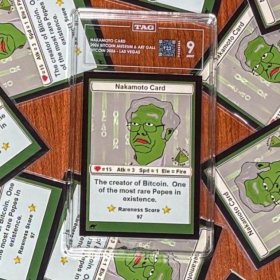
Останнім часом робота Biscuit тікає з екрана, і руйнування стало буквальним. Його поточний проєкт Card NFT 2 дебютував із попередніми «Framed Cards» через SOLOS Gallery на Felix Art Fair у лютому. А раніше цього літа він зробив приблизно одинадцять тисяч карток, продаваних пачками, кожна цифрова картка викупна за фізичну, якщо колекціонер готовий спалити NFT, щоб її отримати. Для найрідкіснішого тиру, як він сказав Пітеру Бауману в Le Random, він бере вінтажні голографічні картки Pokémon, розчиняє з них чорнило ацетоном, поки не залишиться гола срібна фольга, потім UV-друкує цілком новий твір поверх уламків. Сабуро Муракамі б зрозумів. Одна тема проходить через усе, що робить Biscuit: «руйнування, смерть і відродження».
Тепер мистецтво Biscuit прямує до Гонконгу. Він робить внесок у пачку карток конференції Bitcoin Asia 2026, вироблену художником Rax, де його картки сусідитимуть із роботою Ariamis (раніше Terrorism) — його співекспонента з New Bad Image, молодшого художника, що вливає ренесансну релігійну образність у картковий формат, і кількох інших ключових художників цього руху. Пачка — щось на кшталт супутника виставки, запаяного у фольгу. І вона сидить рівно на лінії розлому, над якою працювала ця сцена: стара ієрархія між твором і колекційним предметом упала, і найцікавіші художники тепер роблять об'єкти, які водночас і те й інше.
Інтернет-арт завжди приходив із кімнат, які традиційний світ мистецтва ігнорував: форуми, блоги, групові чати, а тепер крипта. BMAG роками працює в одній із таких кімнат: це арт-галерея біткоїн-конференції. Коли художник Nardo виставлявся на Bitcoin MENA у 2024 році, наша розмова кружляла навколо мемів як одиниць культурної передачі. Рік по тому його Citadel, семифутова картина олією, побудована з мема з 4chan, дебютувала на Bitcoin Conference у Лас-Вегасі — монумент, зведений інтернет-шитпосту.
Перед виставкою BMAG Card Expo на Bitcoin Asia та випуском пачки я сів із Biscuit, щоб поговорити про дорослішання в найдикішій арт-сцені інтернету, про те, чому торгова картка продовжує тягнути цифрових художників до картону, і про те, що колекціонери продовжують розуміти неправильно — і правильно — щодо обох.
BMAG: Твій батько тримає магазин коміксів, і ти розповідав, як копався в його коробках у пошуках вихідного матеріалу. Який спогад із твого часу в магазині коміксів батька — ключовий? Чого ті коробки навчили тебе про те, чому люди колекціонують?
EB: Так, деякі з глибоких зв'язків, що в мене є з торговими картками, йдуть із мого досвіду гри на турнірах Yugioh і колекціонування, коли я був маленькою дитиною в магазині батька.
Я був досить сором'язливою маленькою дитиною, тож це точно був той ще досвід — піти грати вперше з безглуздою колодою зі 100+ карт проти старших підлітків. Пам'ятаю, один аутичний хлопець сидів надворі на стовпі й медитував перед своїми матчами, каналізуючи аніме-персонажів і розмовляючи сам із собою.
Pokémon був поряд відтоді, як я народився, тож гра в ігри старшого брата й походи до церкви, де обмінювалися картками й вихвалялися своїми біндерами, були ключовими спогадами ще до того, як мені виповнилося 6 років. Магазин закрився, коли я був зовсім малим, і до того, як я всерйоз зайнявся створенням мистецтва кілька років тому, ми з батьком знову відкрили його, продаючи комікси, вінтажні відеоігри та торгові картки.
card nft — 2024
BMAG: Джефферсон Бердік, батько американського колекціонування карток, провів свої останні роки, поміщаючи тисячі карток в альбоми в Метрополітен-музеї. Арт Шпігельман був у Topps, винаходячи серії на кшталт Garbage Pail Kids, до мейнстримного успіху. Браян Дройткур нещодавно зробив спостереження про медіум торгових карток: карта Magic — це зображення, яке щось робить, рідкість і функція переплетені, тоді як NFT успадкували цю логіку й уловили лише рідкість. Що можуть карти, чого не може картина?
EB: Більшу частину своєї роботи я бачу як картини. Торгові картки стали субстратом і вихідним матеріалом, з якого я черпав із card nft 1 & 2.
Сам масштаб, з яким можна працювати, створюючи картини/торгові картки/NFT і поширюючи їх серед колекціонерів, — це те, з чим просто не можна конкурувати на жодному рівні. Для мене бути серйозним молодим художником означає бути достатньо допитливим, щоб експериментувати з інструментами та форматами, що формують наше покоління, — чи то ІІ, NFT чи торгові картки. Поміщати все це в той самий контекст, що й живопис, мені по-справжньому цікаво.
card nft — 2024
BMAG: У фотографії є прекрасний старий термін — латентне зображення: картинка, яка вже існує на експонованій плівці, але залишається невидимою до проявлення. Запечатана пачка — це стос латентних зображень, а відкриття її — проявлення, момент, коли можливе стає конкретним. Ти казав, що третина твоїх колекціонерів-викупників узагалі не відкривають пачку. Вони обрали тримати твір латентним назавжди. Коли ти генеруєш колекцію, ти думаєш про себе як про того, хто створює одинадцять тисяч зображень чи одинадцять тисяч моментів проявлення?
EB: Коли я вперше обхоплював розумом ідею NFT, я завжди уявляв досвід мінта як відкриття пачки. Найраніші проєкти й NFT, що затягнули мене в колекціонування, були PFP із системами рідкості, і подібно до шансу вибити велике холо там були рідкісні трейти, які могли миттєво зробити твій мінт вартим у 10 разів більше, ніж ти за нього замінтив.
Звичайний мінт епохи 2021 року чи навіть з нашої сцени — це підготовлене зображення, рандомізоване для тебе. Шар, який ми додали на mons dot shop із цими пачками, — у тому, що мінти обгорнуті в запечатану упаковку, яку можна тримати нерозпечатаною вічно. Не можу точно назвати, чому це так, але в колекціонуванні завжди, здається, формуються ці системи та ієрархії навколо утримання колекційних предметів у первозданному стані й навіть гарантії того, що об'єкти всередині ніколи знову не побачать світло.
Пам'ятаю, якось отримав пачку карток Yugioh, коли був молодшим, у Wal-Mart і уявляв, як карти рандомізуються й тасуються, як гральний автомат, усередині пачки. Я знав, що відкрию її, але просто мріяв про те, чи виявиться в тій одній пачці, що я обрав, щось хороше. Зрештою я витягнув Ultimate Rare Blackwing Vayu. У мене була колода Blackwing, тож це було круте доповнення до моєї колекції. Потім батько допоміг мені продати її на eBay за $80. Шкода, що продав, лол.
BMAG: Для Card NFT 2 ти знімаєш чорнило зі справжніх вінтажних голографічних карток Pokémon — об'єктів, чия вся ринкова цінність тримається на стані, — і друкуєш нове мистецтво на голій фользі. Ти навіть згадував бажання друкувати відтворення наддорогих карток Gold Star, достатньо переконливі, щоб обдурити людей на карткових конвентах.
У книзі Філіпа К. Діка Людина у високому замку виготовлювач підробок тримає дві ідентичні запальнички Zippo, за винятком того, що одна була в кишені Франкліна Рузвельта, коли його вбили (в альтернативній історії Діка). У однієї є те, що він називає «історичністю» чи аурою. Увесь світ колекціонування — грейдери, слеби, провенанс — це індустрія, побудована для розв'язання цієї проблеми. Переконливі підробки доводять, що око можна обдурити. То що створює знищення потенційно цінної карти? І що таке підробка в руках художника?
EB: У Hunter x Hunter є сцена перед тим, як вони збираються на аукціон у Йоркнью-Сіті, де вони на чомусь на кшталт блошиного ринку дивляться на вази й антикваріат. Вони виявляють, що в об'єктів є енергетична аура, яку можна побачити навколо них. Це сигналізує їм, що щось прожило якусь історію й, можливо, має цінність, щоб купити це за низькою ціною й перепродати.
Гадаю, це правда, що в об'єктів є ця енергія та аура. І навіть в арт-роботах/картинах художник фокусує свою увагу прямо на одній точці, тож предмет може стати потужним таким чином.
Гадаю, цікаво ламати ці хибні бар'єри інтелектуальної власності й майже органічно представляти чи відтворювати об'єкт настільки ж потужний, як Gold Star Charizard. Можна навіть пов'язати це з учнями, що роблять майстер-копії робіт їхнього улюбленого художника. Вони робляться не одним лише майстерством. Це багато в чому пов'язано з твоєю любов'ю до художника й твоїм наміром зробити свою настільки ж красивою, як оригінал.
Джерело: BitcoinMagazine